


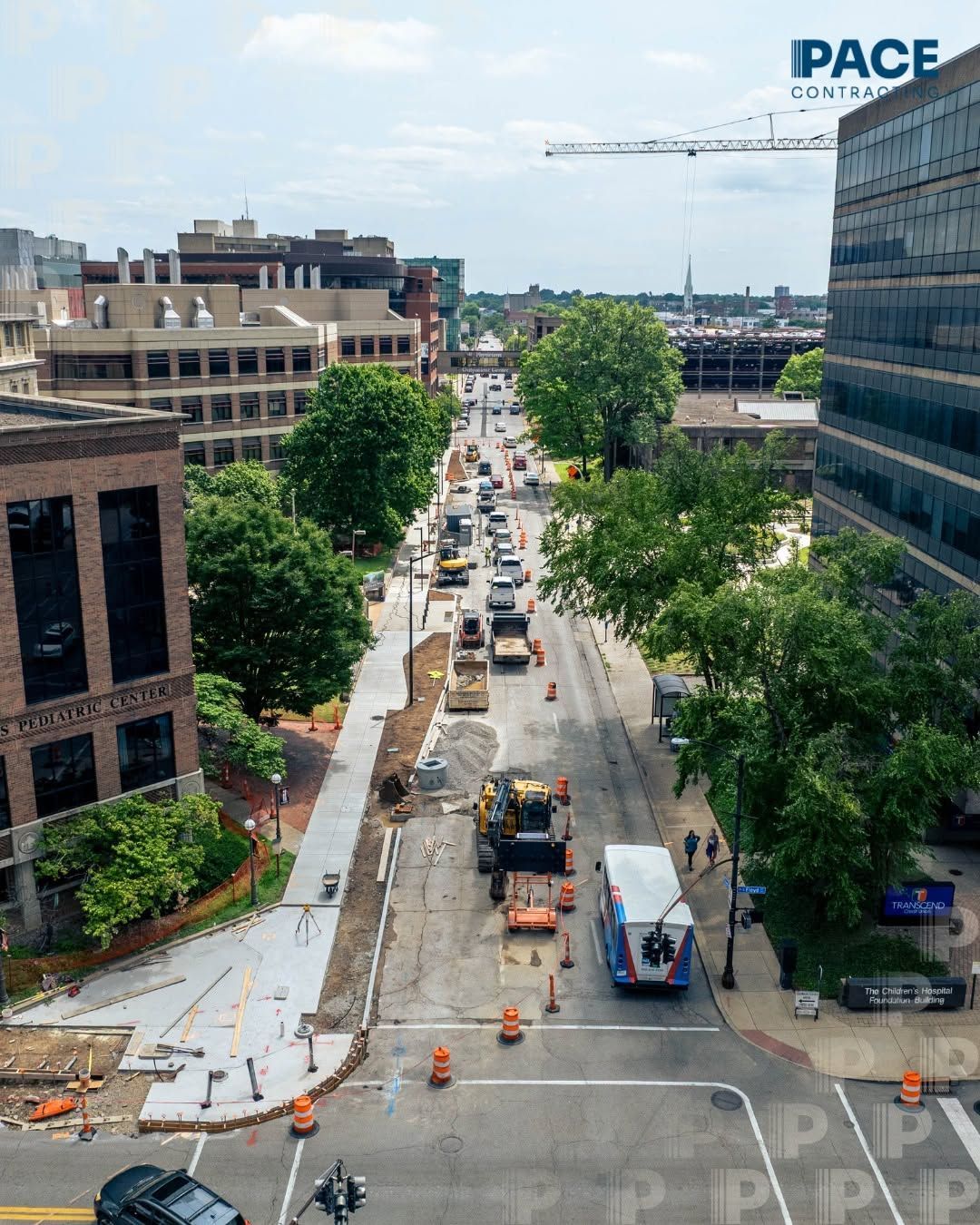
The Chestnut Street Improvement Project is steadily transforming our district into a safer, cleaner and healthier space for everyone. Whether you work, study or receive care in LOUMED, these changes are designed with your daily experience in mind. We are creating a more connected corridor that will serve as a welcoming thoroughfare for the entire community. Construction is moving forward, with our crews successfully finishing the first half of the block between Floyd and Preston streets. The north side of this section is now fully open to pedestrian traffic and features new sidewalks alongside the foundations for our future green spaces. Work is currently shifting to the next phase of the project as construction moves eastward between Preston and Jackson streets. To maintain access to critical facilities and limit disruptions, we are carefully phasing this work. Our teams are also coordinating closely with the event schedule at LOUMED Commons so district programming can continue smoothly alongside the construction. Looking at our upcoming milestones, we are targeting completion of the north side of the four-block stretch extending from Floyd to Clay streets by the end of this year, weather permitting. We will then shift to the south side of the four-block stretch, which will be finalized in 2027, bringing enhanced pedestrian walkways and landscaping to the area. As a reminder, all of this work is part of Greenprint, a 10-year initiative led by the University of Louisville’s Christina Lee Brown Envirome Institute and the Urban Design Studio. By applying data from two years of walkability and temperature studies, we are building green spaces that will actively improve public health across the district.
LOUMED is proud to announce a new partnership with The Michaels Organization to develop attainable housing solutions for our healthcare and education workforce. We are currently evaluating location options within the district to identify the ideal site for this initiative, marking a meaningful step forward in advancing the long-term vision of our community. Bringing 50 years of experience in affordable housing development, The Michaels Organization is a pioneer in creating attainable housing for workers earning between 80% and 120% of an area's median income. With approximately 75% of hospital employees falling into this category, this demographic represents essential workers who often earn too much to qualify for traditional housing subsidies yet still struggle to afford market-rate homes in the communities where they work. Addressing this "missing middle" is a priority for LOUMED. When healthcare professionals are priced out of local neighborhoods, they face longer commutes and increased daily stress. By providing attainable housing options, we can help reduce staff turnover, stabilize shifts and mitigate the premium costs associated with contract labor. Ultimately, keeping our workforce close to campus builds a stronger, more resilient healthcare system and ensures high-quality patient care, which are cornerstones of LOUMED. The Michaels Organization has a strong history of bringing these transformative projects to life through strategic partnerships. In New Orleans, the group partnered with LSU Health Sciences Center to build a 10-story community featuring 473 units. This $102 million investment provides economical housing for medical students and faculty near the medical campus. Similarly, they built Oliver Station in Camden, New Jersey, a three-story mixed-use community that successfully pairs 47 affordable apartments with a ground-floor medical practice operated by Virtua Health. This fall, The Michaels Organization will break ground on a new attainable housing community in partnership with Tampa General Hospital. Though Michaels is headquartered in New Jersey, the organization is known for becoming part of the communities where it builds. Michaels manages its properties directly rather than handing them off, supports local job creation during construction and operations, and invests in community resources and resident programs that keep its developments neighborhood assets for years to come. To learn more about our new partner, please visit The Michaels Organization online at TMO.com. We also want to hear from our community as we move forward, so we invite you to share your perspectives and ideas regarding this initiative by emailing us at info@lou-med.com.
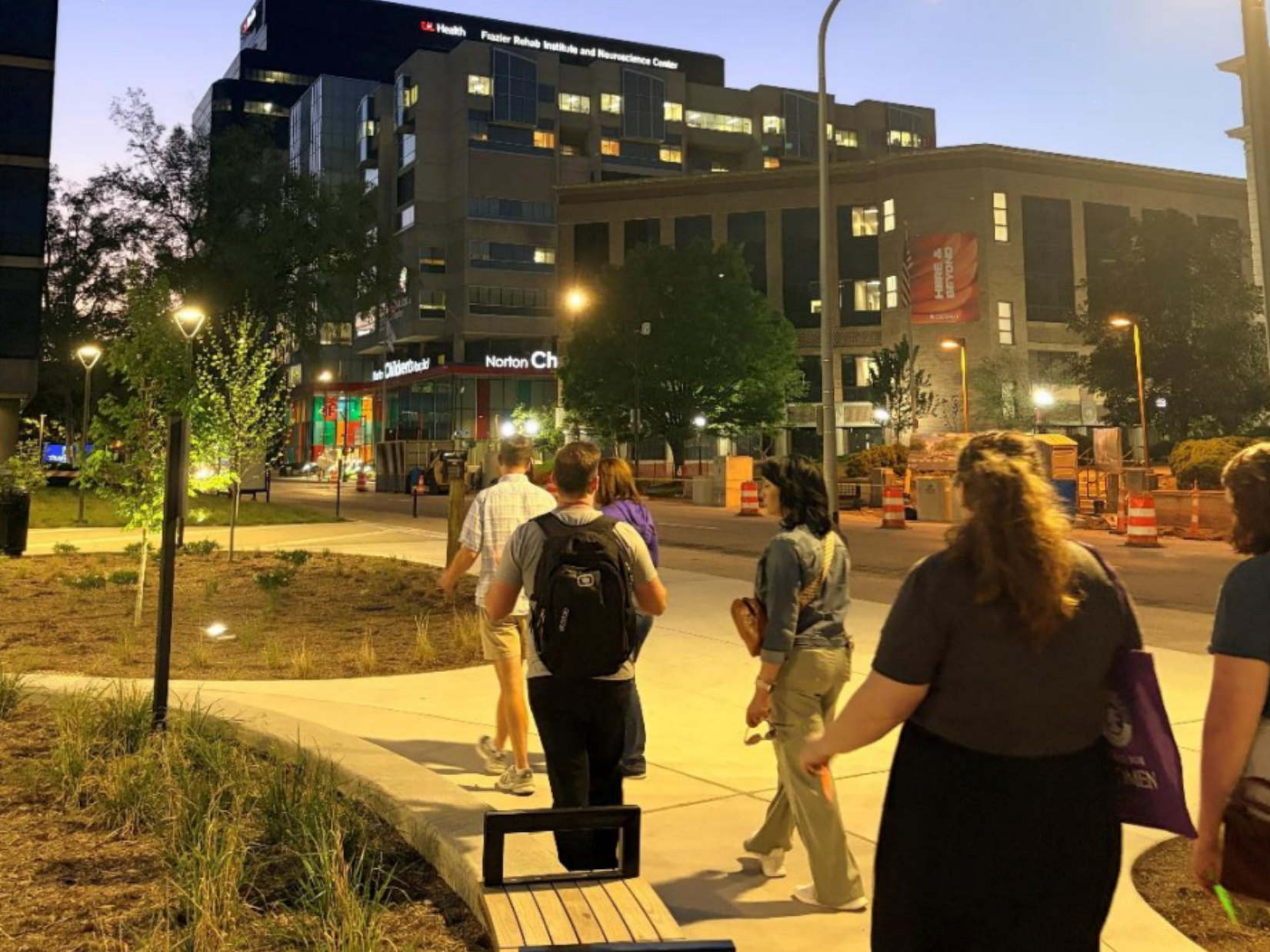
Creating a truly welcoming district requires looking at our public spaces from multiple perspectives. That is why LOUMED has an ongoing partnership with the Louisville Metro Office for Women. Research shows that traditional city design has rarely incorporated the lived experiences of women and girls, which can unfortunately lead to public spaces where people feel a lack of safety or belonging. By working closely with the Office for Women, we are actively gathering insights to ensure our streetscapes and green spaces are safe, inclusive and accessible for everyone who navigates our campus. Shaping a better district requires continuous collaboration. We began gathering this valuable community feedback during our first guided Night Walk in April. During this event, individuals who work, study and visit the area walked our corridors after dark to document the design elements that impact their sense of security. The feedback was incredibly constructive. For example, participants highlighted how much the lighting at LOUMED Commons improves nighttime safety, while also pointing out areas where dense landscaping could be trimmed to improve sightlines. They also suggested adding murals to blank parking garage walls and installing clear signage to ensure everyone knows where our 24/7 monitored security cameras are located. We kept this momentum going in July with a Night Picnic at LOUMED Commons, providing a relaxed setting for community connection and further discussion about district design. We are committed to keeping this dialogue open as we plan for the future. We invite you to share your perspectives on how we can enhance LOUMED by reaching out to us directly at info@lou-med.com. We also encourage you to check our events calendar for our next community gathering with the Office of Women to continue this vital work. In the meantime, please remember that our LOUMED Ambassadors are always on the ground to support you. Whether you need an escort to your vehicle after dark, a friendly set of directions or a watchful eye as you move across campus, they are ready to help ensure your daily experience is a positive one. Ambassadors are available daily from 6:30 a.m. to 10:30 p.m. by calling (502) 791-1435.
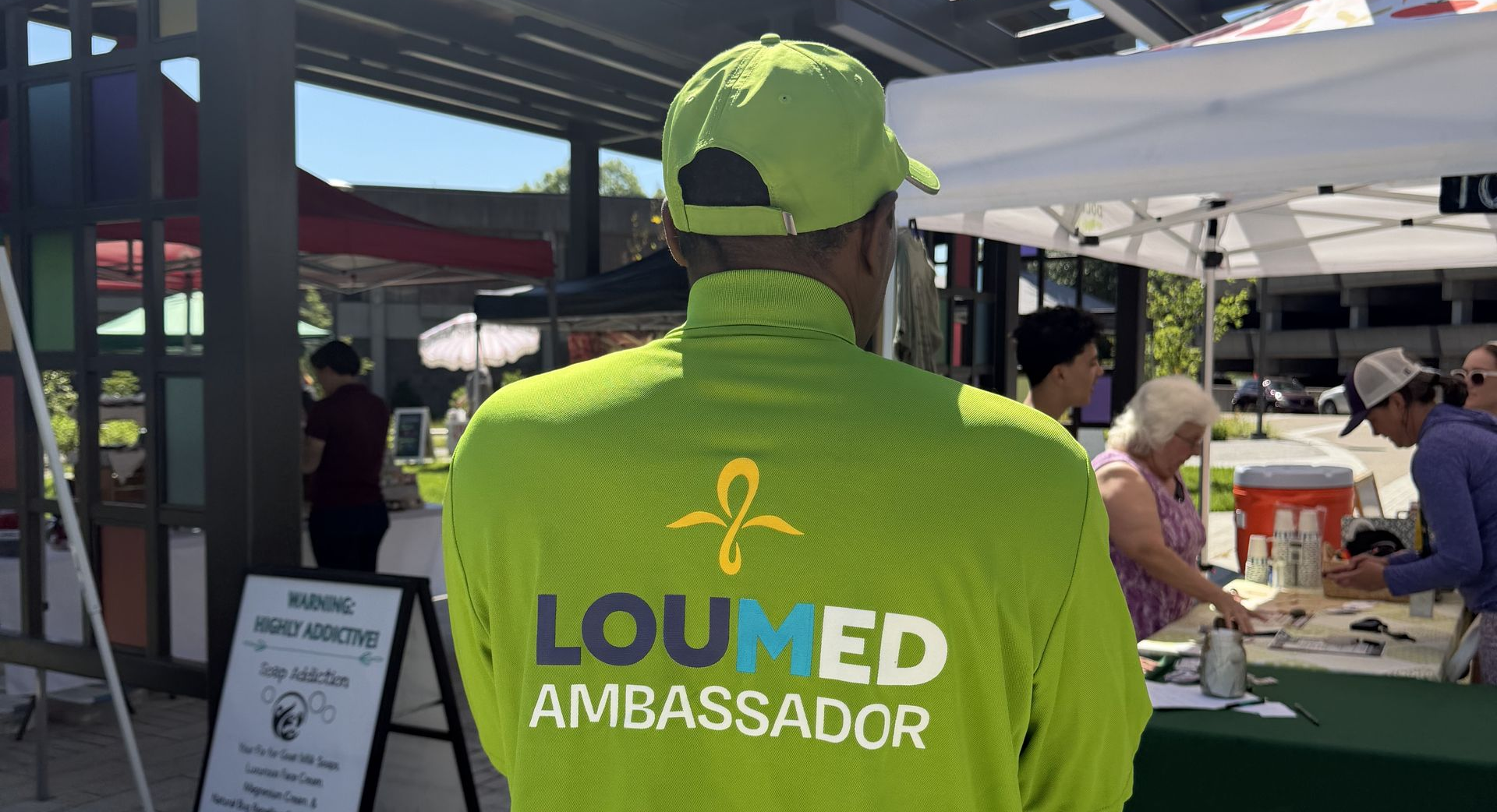
While traveling through the district recently, you may have noticed our LOUMED Ambassadors sporting a new look. We recently rolled out updated uniforms to match the brand we introduced earlier this spring. While their gear has changed, the team's core mission remains exactly the same. Our ambassador program serves as the district’s front line of hospitality and support for everyone from first-time patients to employees heading home after a long shift. They make LOUMED welcoming and easy to navigate by providing daily district cleaning, mobility assistance, wayfinding to medical offices and walking escorts to vehicles. We are incredibly grateful for our Block by Block partners and the role they play in keeping the district comfortable for all. Help is always just a phone call away. Ambassadors are available daily from 6:30 a.m. to 10:30 p.m. Simply call (502) 791-1435 for on the spot assistance anywhere in the district.
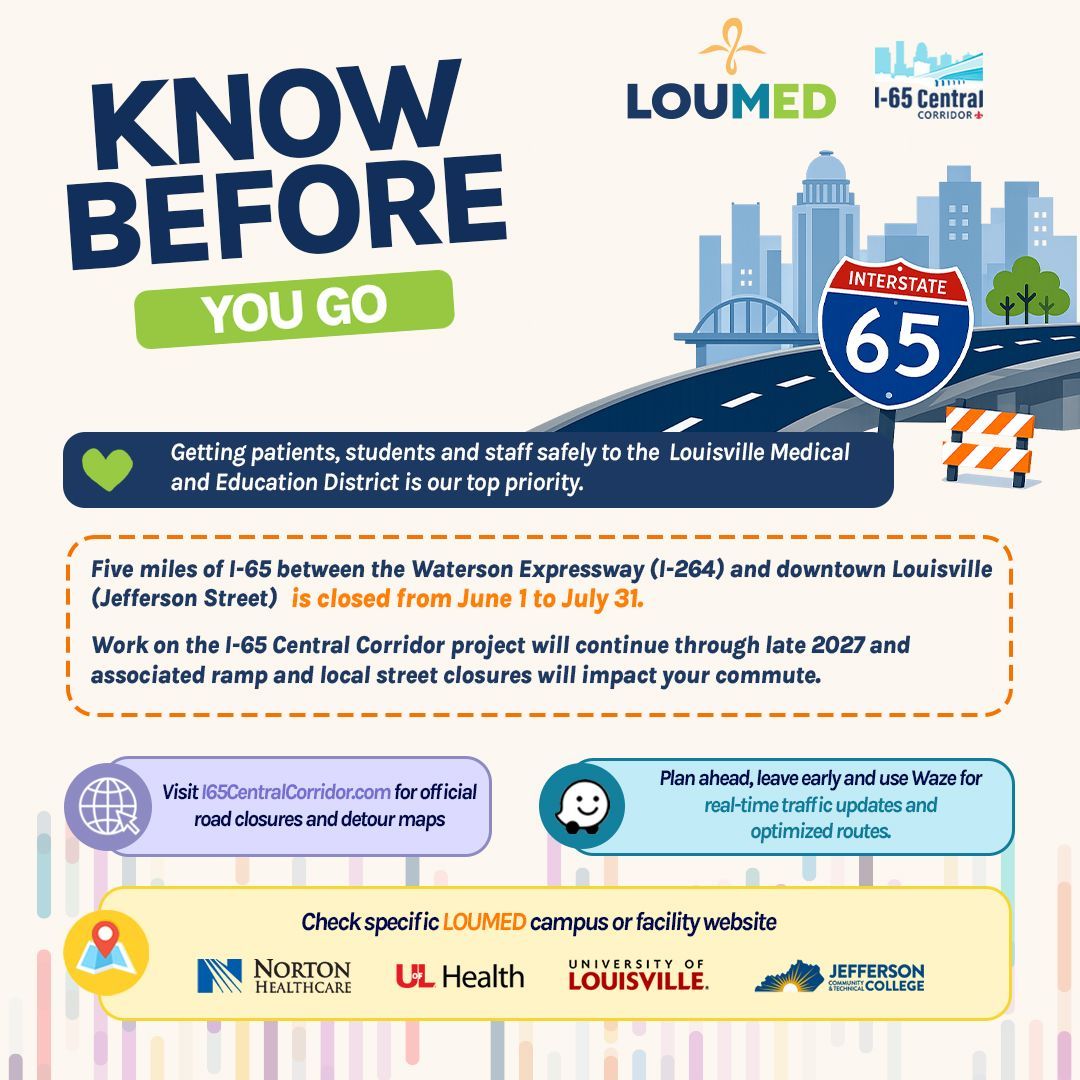
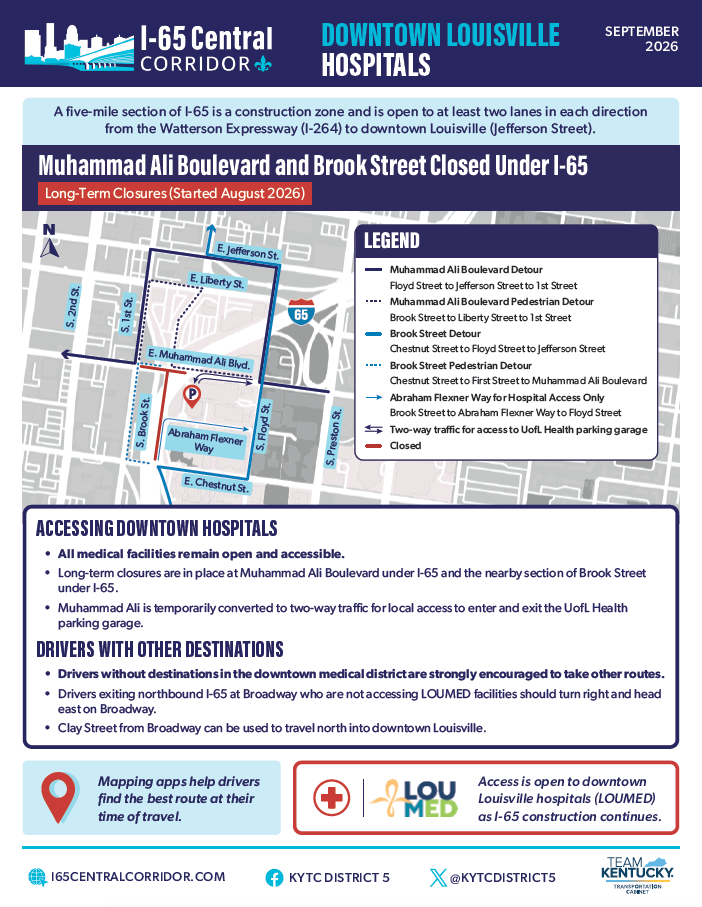
We know getting to and from the hospitals, universities and other organizations within LOUMED is a priority. With the ongoing I-65 Central Corridor project, we want to share as much information as possible to help ease your commute and keep you informed. The I-65 Central Corridor project is a Kentucky Transportation Cabinet initiative to replace aging bridges on a heavily traveled corridor of I-65 between the Watterson Expressway (I-264) and the Muhammad Ali Boulevard interchange in downtown Louisville. The multi-phase project features a scheduled closure of a five-mile section of I-65 from Monday, June 1, through Friday, July 31. Work on the project will continue through late 2027, and associated ramp and intermittent local street closures will directly impact the LOUMED footprint. Continuing construction after the I-65 closure this summer will significantly impact traffic in downtown Louisville and around the LOUMED district. To arrive safely and on time for appointments, shifts and classes, please use the resources below for real-time traffic alerts and facility-specific travel instructions. How to Prepare for Your Visit Check the official source for road closures. Visit I65CentralCorridor.com for real-time traffic alerts, detour maps and official project timelines directly from KYTC. Plan ahead and leave early. Allow extra travel time for your commute. Use real-time navigation. As an official agency partner with KYTC, Waze will provide real-time traffic updates and optimized detours throughout the construction. The Waze navigation and live traffic app can help you find the best route around the closures. Helpful Resources for Facility-Specific Wayfinding Below are helpful resources and direct links to wayfinding plans for LOUMED’s anchor institutions. Please check these sites for the latest parking and traffic adjustments before you travel. UofL Health University of Louisville Norton Healthcare and Norton Children's Jefferson Community & Technical College
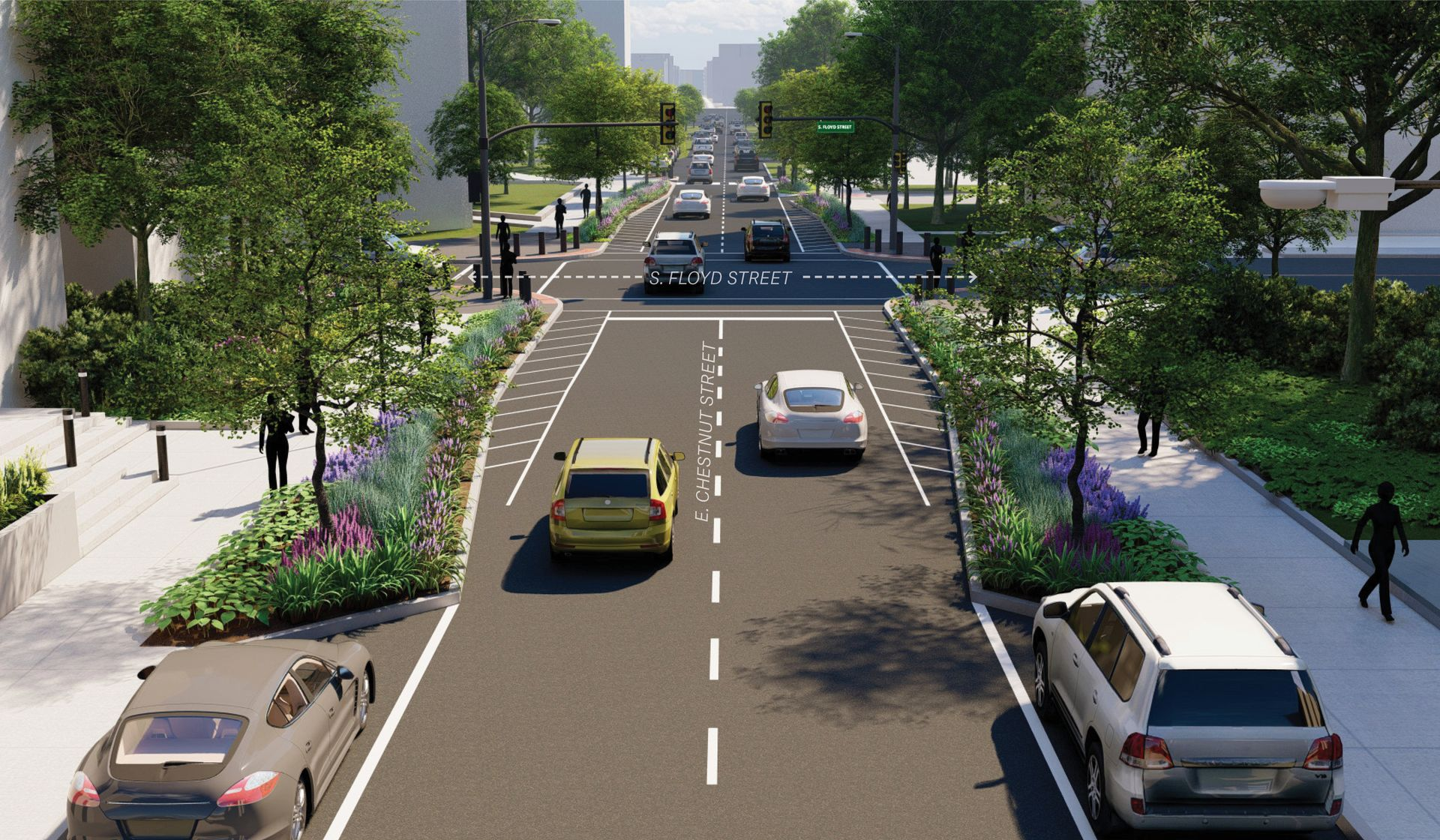
Ground has officially been broken on the Chestnut Street Improvement Project to launch a multi-phase infrastructure investment for the LOUMED district. These improvements are being executed within the study area of Greenprint, a 10-year initiative coordinated by the University of Louisville’s Christina Lee Brown Envirome Institute and the Urban Design Studio. Informed by walkability studies and temperature monitoring conducted by university researchers, Greenprint guides where new green spaces can have the greatest impact on human health. This framework links the new Chestnut Street improvements to existing spaces like LOUMED Commons, the public park we opened in November 2025, ensuring a shared commitment to creating a cooler, cleaner, and healthier Louisville. Connecting the roadway directly to LOUMED Commons to create a seamless environment for transit and pedestrians. By implementing findings from two years of walkability studies and temperature monitoring, we are ensuring these changes have a positive impact on public health. This project is moving in phases to minimize disruption to district operations, with a target completion for the current block between Floyd and Preston for late 2026. Once that section wraps up, crews will move to the next three blocks extending east to South Clay Street with the goal of finishing the full eastern section in 2027.
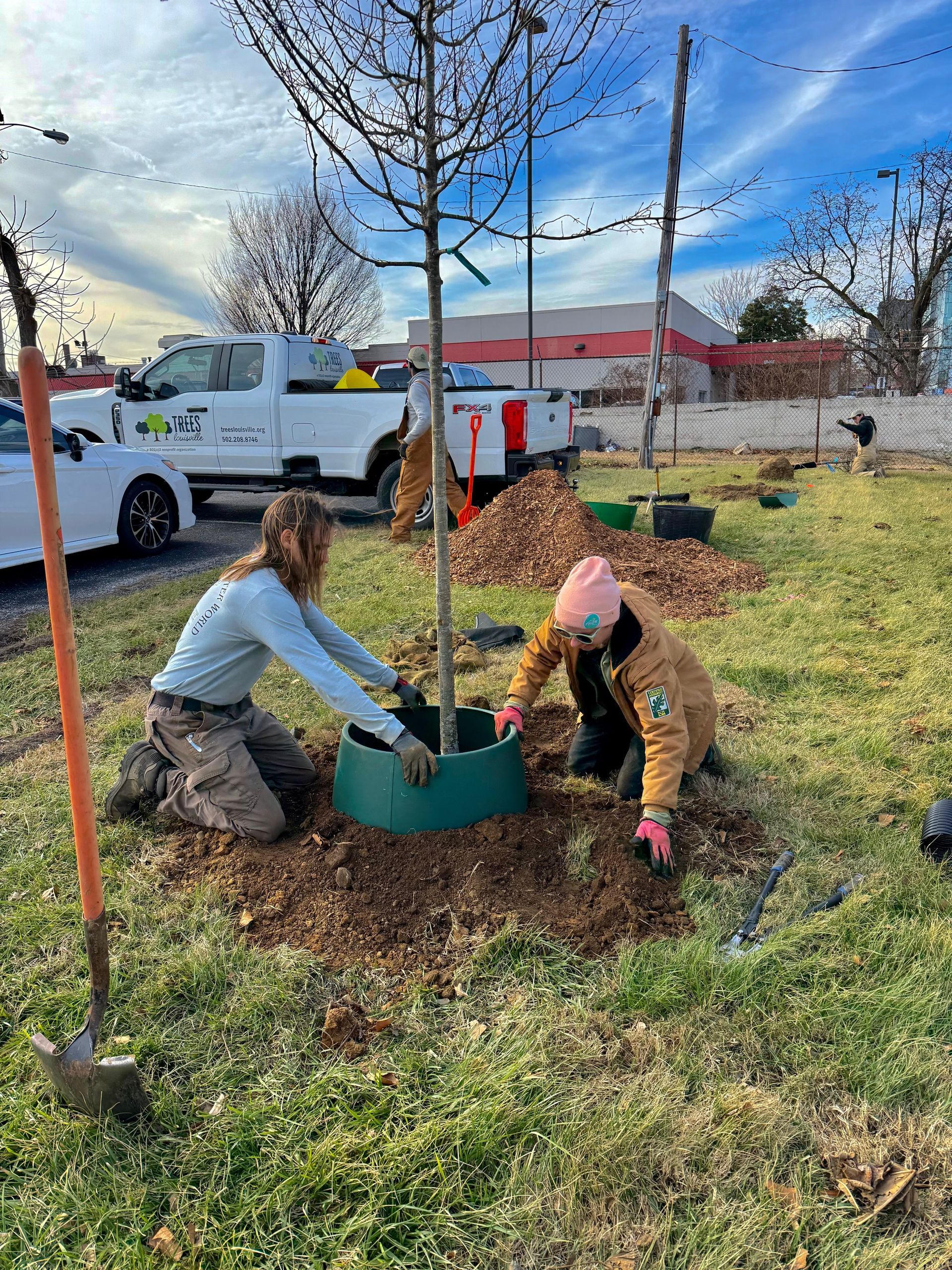
We have taken a significant step toward enhancing our district's greenery to prepare for the upcoming growing season. In January, we partnered with TreesLouisville to plant 38 new trees near employee parking lots between Clay and Chestnut Streets. By getting these roots in the ground during the winter, we are ensuring a vibrant bloom when the season turns. Parking lots are often "heat islands," where asphalt absorbs the sun and raises the temperature of the entire area. By introducing this new canopy, we are actively combating that urban heat while also reducing stormwater runoff and filtering air pollution. Beyond the environmental impact, there is a human element to this project. We know that trees have a direct correlation to our mental and physical health. Studies have shown that patients who can look out a window and see trees often have faster healing times than those who do not. By softening these hardscapes, we are improving the daily walk for those moving through the district each day and creating a more healing view for the patients in our care. When spring finally arrives, you will see a diverse mix of species beginning to wake up, including bald cypress, lindens, zelkovas, osage orange, honey locust, and gingko. They were selected specifically for their tolerance of heat and pollution, ensuring they will be part of the LOUMED landscape for years to come.
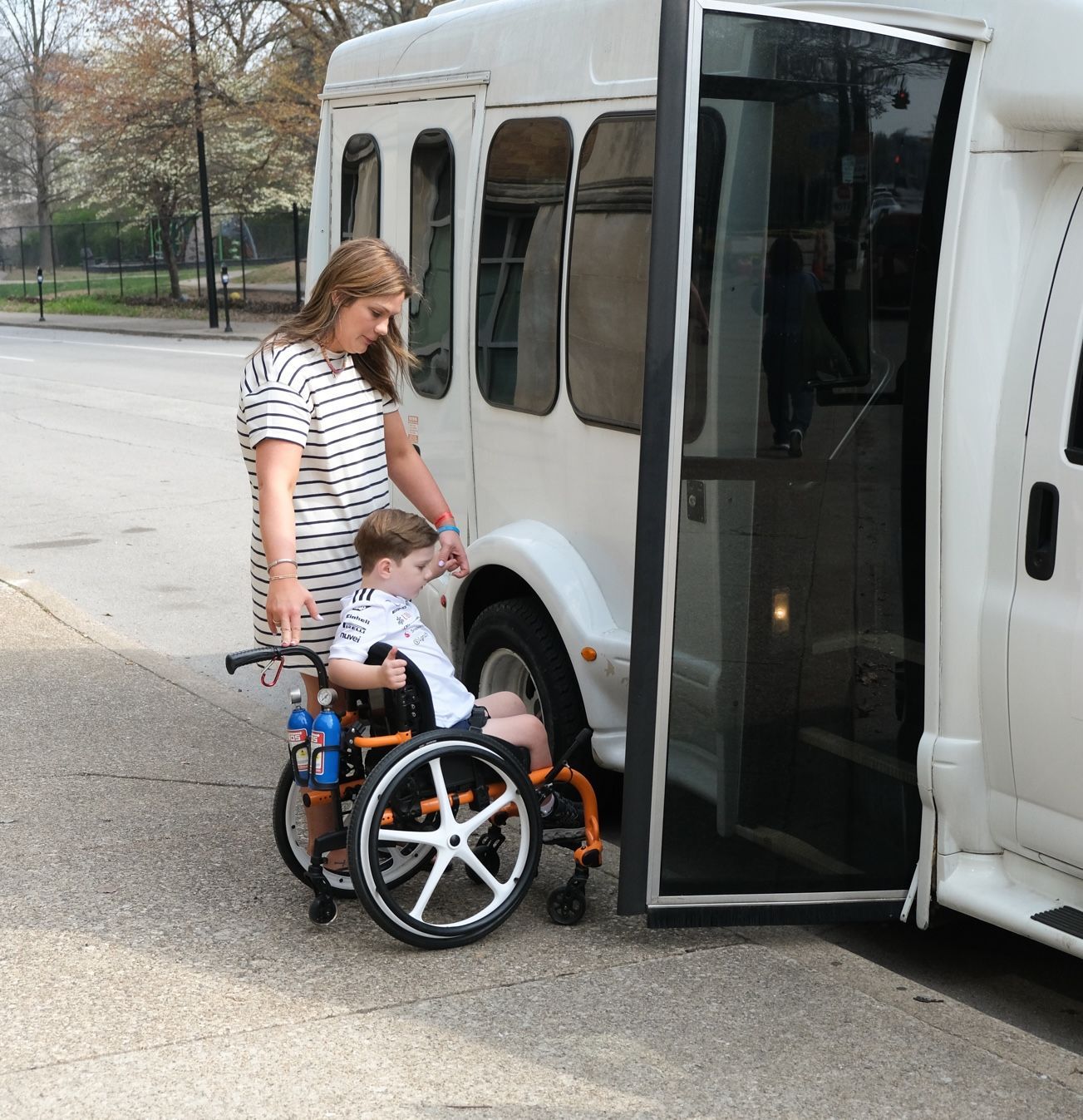
We have launched a new shuttle service to support families staying at the Ronald McDonald House. In partnership with Ronald McDonald House Charities of Kentuckiana and Riverside Transportation Services, we are piloting this dedicated route to help guests navigate between their temporary home and medical appointments. The shuttle operates Monday through Friday from 9:00 a.m. to 5:00 p.m. The route creates a direct link between the Ronald McDonald House and key facilities including Norton Children’s Hospital, Frazier Rehab Institute, the Norton Novak Center, and UofL Hospital. This service removes the logistical challenge of transportation for families focused on the care of their children. During this pilot phase, the service is reserved exclusively for Ronald McDonald House guests. Riders are required to wear red wristbands to board. This policy ensures that seats remain open for the families who rely on this connection. We are proud to see this vehicle on the road and to support the patient experience within the district.
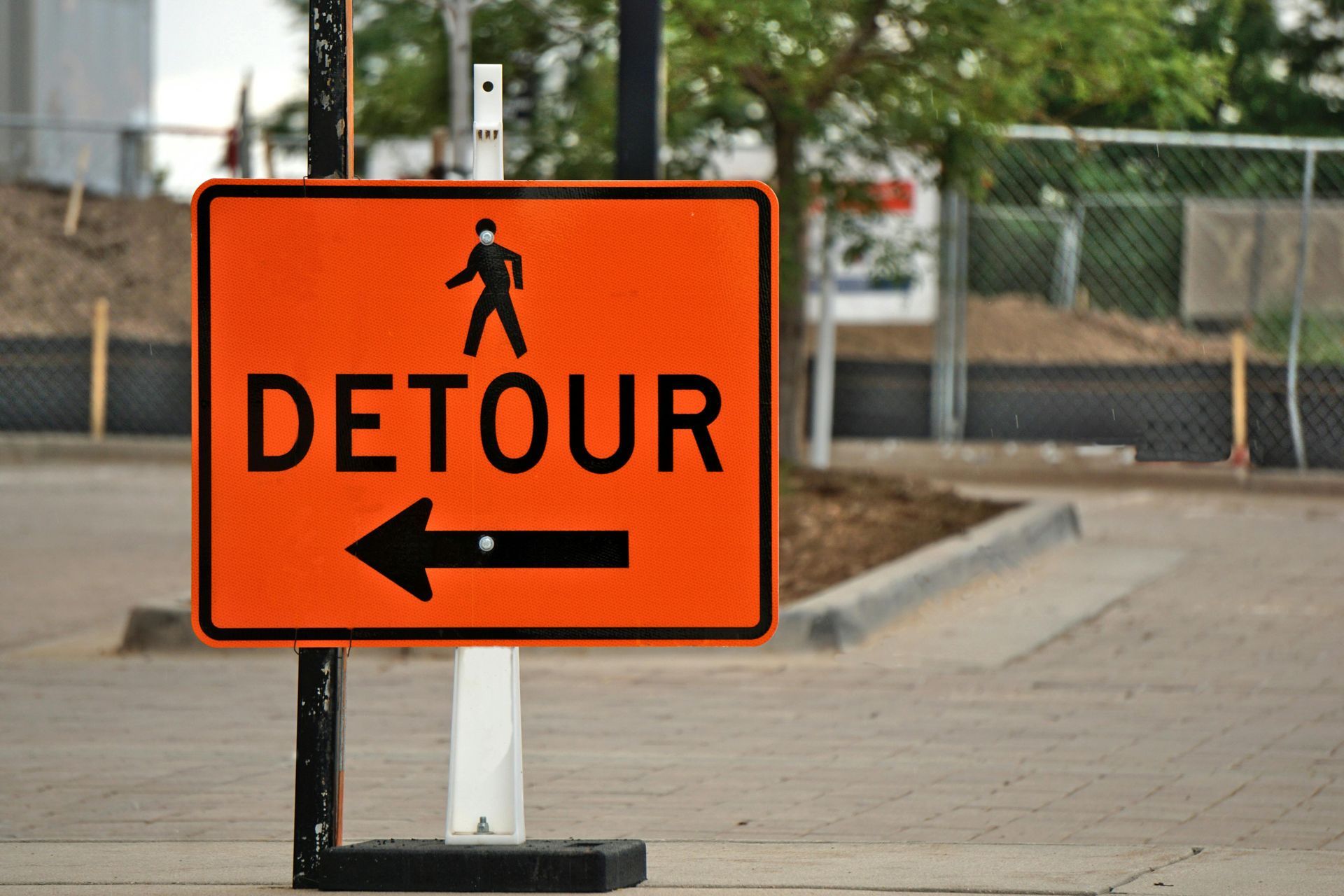
If you travel to, from, or within the LOUMED district, please be aware of two upcoming construction projects that will impact traffic and parking. While these projects are being led by our community partners, they will alter normal traffic patterns in our area. Please plan your routes accordingly and allow for extra travel time. Here is what you need to know about the upcoming changes: UofL Health Sciences Simulation Center Construction The New HSC Building is slated to break ground in April. As the area readies for construction for the University of Louisville’s upcoming Health Sciences Simulation Center and Collaboration Hub at the corner of E. Chestnut Street and S. Preston Street, several changes will go into effect beginning mid-March and continuing through December 2028. Parking meters on both sides of Preston Street will be closed from the UofL Health Outpatient Center continuing south past Gray Street. Preston Street will be reduced to one lane from the UofL Health Outpatient Center continuing south past Gray Street. Access will be maintained for a bus stop in front of the Baxter building and for drop-off in front of Seven Counties. Gray Street, including parking meters, will be closed from Preston Street to allow for construction access only. A small portion of Gray Street in front of the School of Public Health and Information Sciences will remain open. I-65 Central Corridor Project Summer Closure Announced last year, the two-year I-65 Central Corridor project aims to improve safety and travel along I-65 in Louisville. As part of this initiative, crews will be replacing three aging bridges this summer. Five miles of Interstate 65 between Jefferson Street and Interstate 264 (Watterson Expressway) will be closed June through July 2026. During this closure, I-65 traffic will be detoured using I-264 (Watterson Expressway) and Interstate 64. For the most up-to-date information, the latest news, and real-time traffic alerts regarding the I-65 closure, please visit the official project website at i65centralcorridor.com .